Toxic Positivity in Chronic Illness: Hope Without the Lies
Toxic positivity in chronic illness asks you to fake being fine. You can be hopeful and honest at the same time — and honesty is the only thing that makes hope believable.

Toxic positivity in chronic illness asks you to fake being fine. You can be hopeful and honest at the same time — and honesty is the only thing that makes hope believable.
Chronic illness grief isn’t failure. You don’t have to wait until your life is unrecognizable to reach for support.

Nobody hands you a binder on the way out of the ER. Here’s the document trail you’ll wish you’d started sooner — and exactly how to build it now.
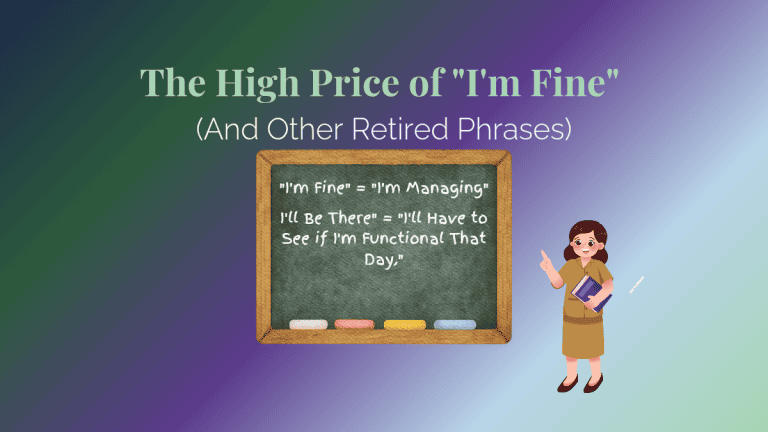
Some phrases stopped working the moment my body did. Here’s the vocabulary I’ve quietly retired — and what I actually mean now.
If you live with chronic illness, you’ve probably been told to “just cope” more times than you can count. The SMART program — Stress Management and Resiliency Training — is an evidence-based approach that actually works with your physiology instead of ignoring it. Here’s what it is, what I got out of it, and whether it might be worth exploring.
A chronic illness flare is a period when your symptoms intensify — sometimes gradually, sometimes overnight, sometimes for reasons you can identify and sometimes for absolutely no reason you can name. And if you live with a chronic condition, you already know that flares don’t politely limit themselves to one system. They pile on.
What does it mean to live with a chronic illness and never have enough spoons? Here’s what you need to know.
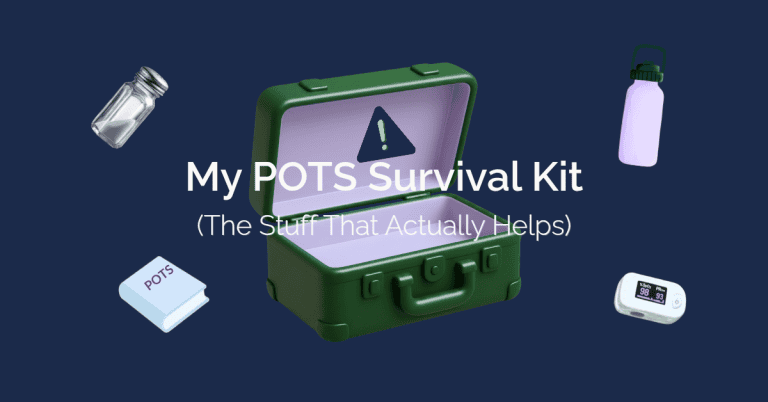
The internet will hand you a firehose of recommendations when you’re newly diagnosed. This is not that. This is what actually lives on my nightstand.
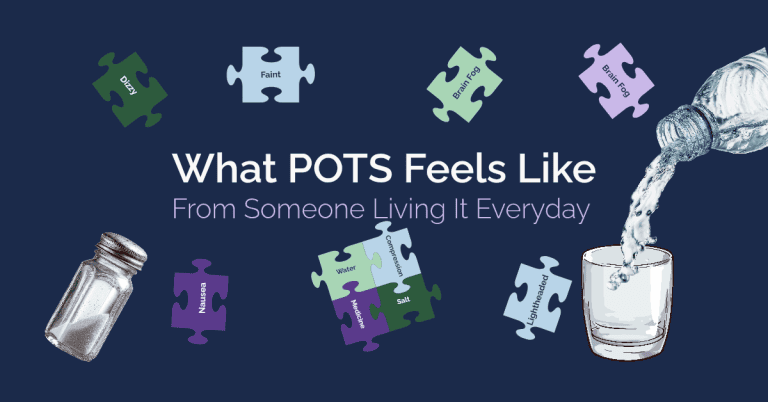
I’m sitting on the edge of my bed. My feet are on the floor. My eyes are open. And I cannot stand up yet.
They mean well. They almost always mean well. That’s what makes it so hard.